
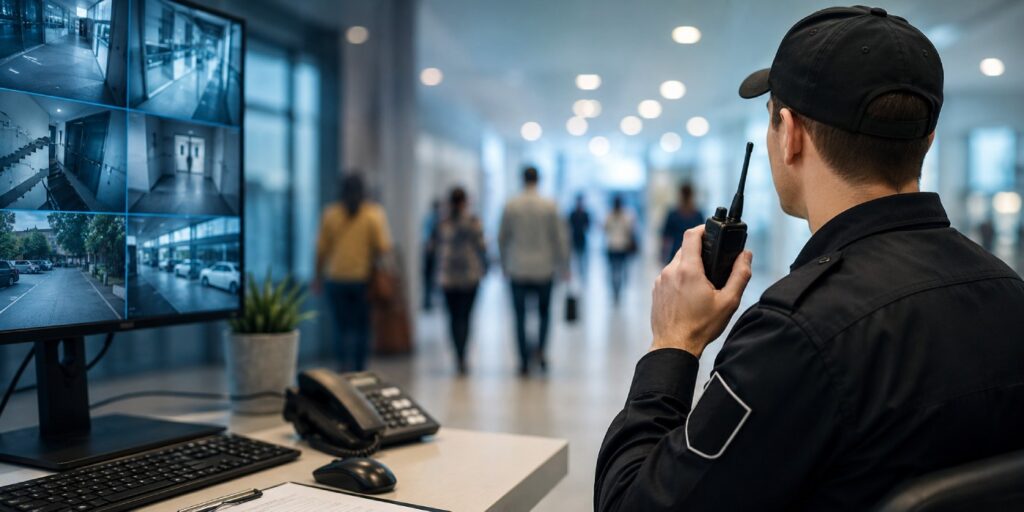
The Australian security industry plays an important role in protecting people, property, and businesses across a wide range of environments. From shopping centres and hospitals to office buildings, construction sites, educational institutions, and major public events, trained security professionals help create safe and secure spaces every day.
If you’re considering a career in private security, completing the CPP20218 – Certificate II in Security Operations is an excellent place to begin. This nationally recognised qualification provides the practical knowledge, workplace skills, and professional confidence required for entry-level security roles. The course combines theoretical learning with practical training, ensuring students understand both the responsibilities and expectations of working in Australia’s security industry.
In this guide, we’ll explore what you’ll learn throughout the Certificate II in Security Operations Course, the practical skills you’ll develop, and how studying with SDG College can prepare you for a rewarding career in the security sector.
What Is the Certificate II in Security Operations Course?
The CPP20218 – Certificate II in Security Operations is a nationally recognised vocational qualification designed for individuals who want to begin working in the private security industry. The course introduces students to industry standards, workplace responsibilities, communication techniques, conflict management, and professional conduct required for security operations.
Rather than focusing only on classroom theory, the course emphasises practical workplace skills that students can apply in real security environments. Graduates develop the confidence to perform routine security duties while following workplace procedures and industry regulations.
Successful completion of this qualification provides a strong foundation for entry-level security roles and future career development within the security industry.
Why Study Certificate II in Security Operations?
Security professionals are employed across many industries throughout Australia. Organisations rely on trained personnel to help protect employees, customers, visitors, and valuable assets.
Studying this qualification allows students to:
- Develop practical workplace skills.
- Gain nationally recognised training.
- Prepare for entry-level security positions.
- Build confidence in dealing with the public.
- Learn workplace safety procedures.
- Develop professional communication skills.
- Create a pathway for future career growth.
Whether you’re entering the workforce for the first time or looking for a career change, this qualification provides valuable knowledge that can support long-term employment opportunities.
Learning Area 1: Understanding the Security Industry
Before performing security duties, students need a clear understanding of how the private security industry operates. The course introduces learners to the responsibilities of security officers and explains how security services contribute to safer workplaces and communities.
Topics covered include:
- The role of security officers.
- Professional workplace behaviour.
- Industry expectations.
- Ethical responsibilities.
- Legal obligations.
- Working as part of a security team.
This foundation helps students understand the importance of professionalism, accountability, and ethical decision-making throughout their careers.
Learning Area 2: Effective Communication Skills
Communication is one of the most important skills for any security professional. Security officers interact with clients, visitors, contractors, emergency services, and members of the public on a daily basis.
Throughout the course, students learn how to communicate clearly, confidently, and professionally in a variety of workplace situations.
Key communication skills include:
- Active listening.
- Verbal communication.
- Professional customer service.
- Giving clear instructions.
- Radio communication procedures.
- Writing workplace reports.
Strong communication skills help security officers manage situations effectively while maintaining positive relationships with clients and the public.
Learning Area 3: Customer Service in Security Operations
Modern security roles involve much more than monitoring buildings and responding to incidents. Security officers are often the first people visitors meet when entering a workplace or event, making customer service an important part of the role.
Students learn how to:
- Provide professional customer service.
- Assist visitors courteously.
- Respond to enquiries.
- Manage difficult conversations professionally.
- Represent their organisation positively.
Excellent customer service helps build trust while creating safe and welcoming environments for everyone.
Learning Area 4: Conducting Security Patrols
Routine patrols are one of the core responsibilities of many security officers. Regular patrols help identify potential hazards, protect property, and maintain a visible security presence.
During the course, students gain an understanding of:
- Purpose of security patrols.
- Patrol planning.
- Observation techniques.
- Identifying suspicious activity.
- Recording patrol information.
- Reporting security concerns.
Learning these procedures prepares students to carry out patrol duties confidently while following workplace policies and organisational procedures.
Learning Area 5: Observation and Situational Awareness
One of the most valuable skills developed during the Certificate II in Security Operations Course is situational awareness. Security officers must remain alert, recognise unusual behaviour, and identify potential risks before they escalate.
Students learn how to improve their observation skills by:
- Monitoring people and environments.
- Recognising unusual behaviour.
- Identifying workplace hazards.
- Assessing potential security risks.
- Maintaining attention to detail.
- Responding appropriately to changing situations.
Developing strong observation skills allows security professionals to make informed decisions while helping maintain safe workplaces.
Learning Area 6: Conflict Resolution and De-escalation Techniques
Security officers regularly interact with people from different backgrounds and may occasionally encounter situations involving conflict, aggression, or disruptive behaviour. The Certificate II in Security Operations Course introduces students to professional conflict resolution techniques that prioritise safety while helping prevent situations from escalating.
Students learn how to:
- Remain calm under pressure.
- Communicate professionally during difficult situations.
- Use effective de-escalation techniques.
- Maintain personal safety.
- Assess situations before taking action.
- Follow workplace procedures when managing incidents.
Developing these skills helps security officers handle challenging situations confidently while maintaining a professional approach.
Learning Area 7: Incident Reporting and Documentation
Accurate documentation is an important responsibility for every security professional. Employers rely on incident reports to investigate events, improve workplace procedures, and maintain compliance with organisational requirements.
Throughout the course, students learn how to prepare clear and accurate reports by:
- Recording factual information.
- Documenting incidents objectively.
- Completing workplace documentation.
- Maintaining confidentiality.
- Following reporting procedures.
- Communicating information to supervisors.
Good reporting skills support accountability and help organisations respond effectively to workplace incidents.
Learning Area 8: Workplace Health and Safety (WHS)
Workplace Health and Safety (WHS) is an essential component of the security industry. Security officers often work in environments where they must identify hazards, minimise risks, and respond appropriately to emergencies.
During the course, students develop an understanding of:
- Identifying workplace hazards.
- Applying safe work practices.
- Using communication equipment safely.
- Following emergency procedures.
- Reporting hazards promptly.
- Contributing to a safe workplace culture.
Strong WHS knowledge enables security professionals to protect themselves, their colleagues, and members of the public.
Learning Area 9: Professional Conduct and Ethics
Integrity and professionalism are fundamental qualities expected of every security officer. Throughout the Certificate II in Security Operations Course, students learn the importance of acting ethically while respecting workplace policies and legal responsibilities.
Topics include:
- Maintaining confidentiality.
- Respecting privacy.
- Acting honestly and professionally.
- Following organisational procedures.
- Working respectfully with diverse communities.
- Representing employers positively.
Professional conduct helps build trust with employers, clients, and the wider community while supporting long-term career success.
Practical Skills You’ll Gain
One of the biggest advantages of studying the Certificate II in Security Operations Course is developing practical workplace skills that can be applied immediately in entry-level security roles.
By completing the course, students gain skills in:
- Professional communication.
- Customer service.
- Conflict management.
- Observation and situational awareness.
- Security patrol procedures.
- Incident reporting.
- Risk identification.
- Workplace health and safety.
- Teamwork.
- Problem-solving.
These skills are valuable across a variety of workplaces and contribute to becoming a competent and reliable security professional.
Career Pathways After Completing the Course
Graduates of the CPP20218 – Certificate II in Security Operations are prepared to pursue a range of entry-level opportunities within Australia’s private security industry, subject to applicable licensing requirements in their state or territory.
Potential career pathways include:
- Security Officer.
- Retail Security Officer.
- Corporate Security Officer.
- Construction Site Security Officer.
- Gatehouse Security Officer.
- Hospital Security Officer.
- Event Security Officer.
- Loss Prevention Officer.
- Mobile Patrol Assistant.
- Concierge Security Officer.
With workplace experience and additional qualifications, graduates may progress into supervisory or specialised security roles.
Why Choose SDG College for Your Security Training?
At SDG College, we are committed to providing quality vocational education that prepares students for real-world employment. Our CPP20218 – Certificate II in Security Operations combines nationally recognised training with practical learning to help students develop the confidence and skills required by today’s security industry.
When you choose SDG College, you benefit from:
- Nationally recognised qualifications.
- Experienced trainers with industry expertise.
- Practical and career-focused learning.
- A supportive learning environment.
- Industry-relevant training.
- Student support throughout your studies.
Whether you’re beginning your first career or looking for a new professional direction, SDG College provides the knowledge, practical skills, and support to help you succeed in Australia’s growing security industry.